
Save More, Stress Less: Unlock Exclusive Health Insurance Savings with Your SLHBA Membership
Discover how your HBA membership can help you save money and support your team with new, exclusive group health insurance options. Learn how pre-negotiated rates, locked-in pricing, and flexible plans designed for the construction industry can help you attract and retain skilled employees—without the usual hassles or rising costs.
Caroline Merrill
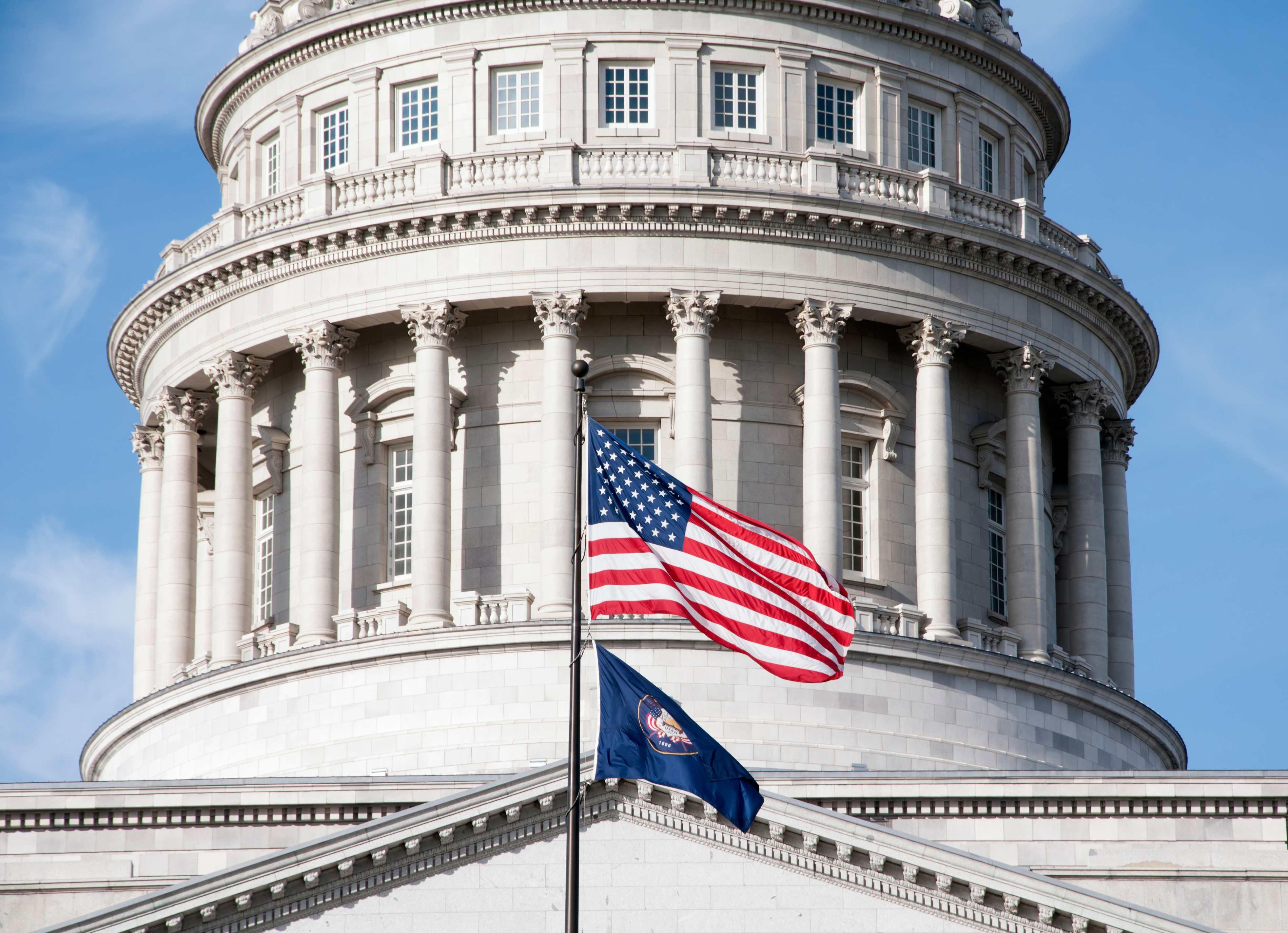
SB 284 Delivers Major Changes to Planning, Water Policy, and ADUs
SB 284 is one of the most significant planning‑related reforms in years, created through extensive collaboration among builders, cities, counties, and industry partners. The bill increases transparency by requiring cities to publish all fees and land‑use rules by 2026, streamlines approvals when commissions fail to act, and mandates water allocation decisions based on real usage data. It also reforms the appeals process to ensure fairness and expands ADU opportunities on larger lots while limiting
Caroline Merrill
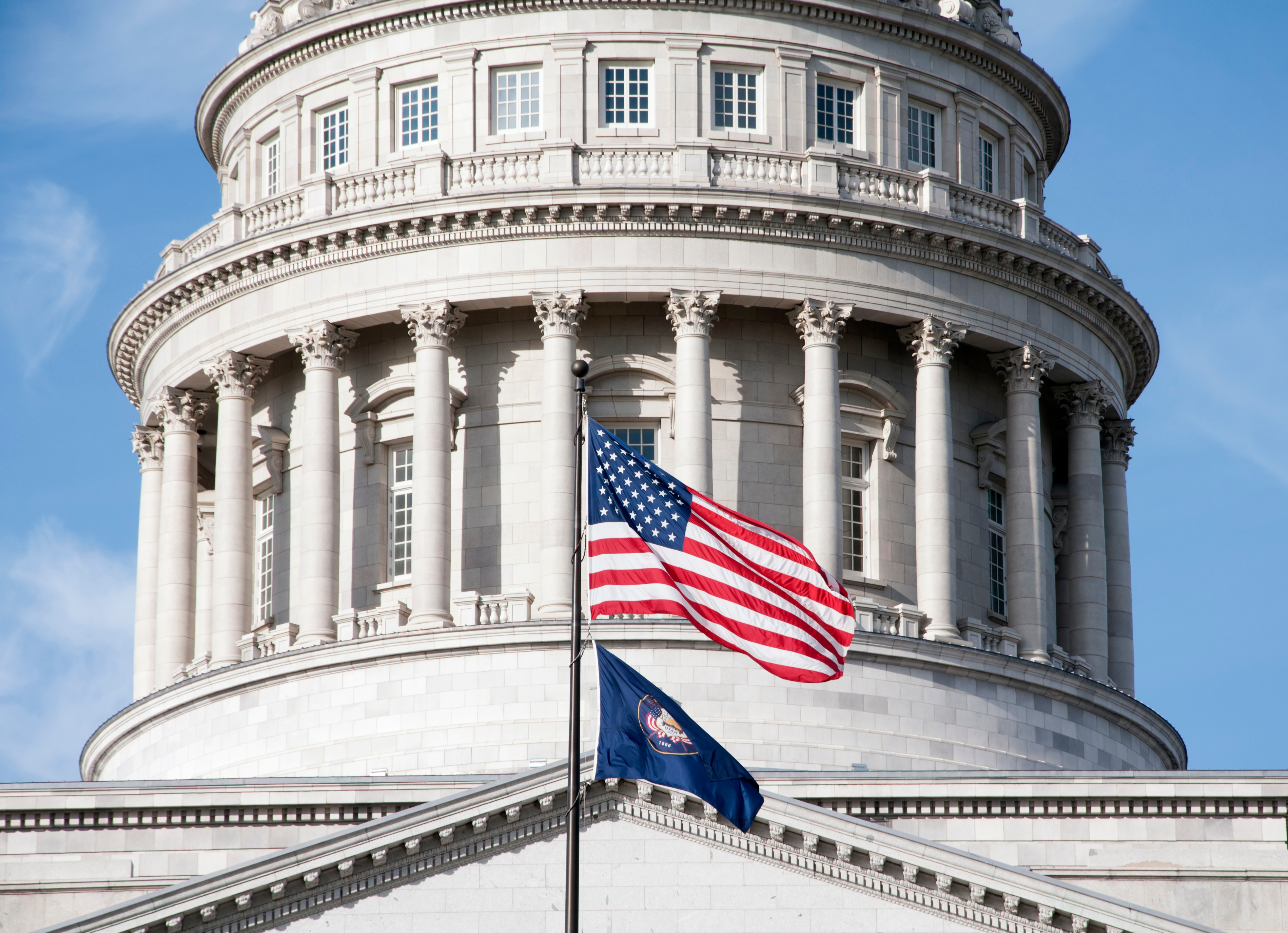
HB 582 Reduces Unnecessary Asbestos Testing for Remodels
Utah’s HB 582 updates outdated asbestos‑testing rules that have long burdened remodelers with unnecessary costs and delays. The bill removes testing requirements entirely for homes built after 1991 and narrows them for homes built between 1981 and 1991, requiring testing only when certain materials—like spray‑on ceiling textures, asbestos‑cement products, vinyl flooring, vermiculite insulation, or insulated duct tape—are present. This modernized approach reflects decades of strict asbestos regulation and
Caroline Merrill
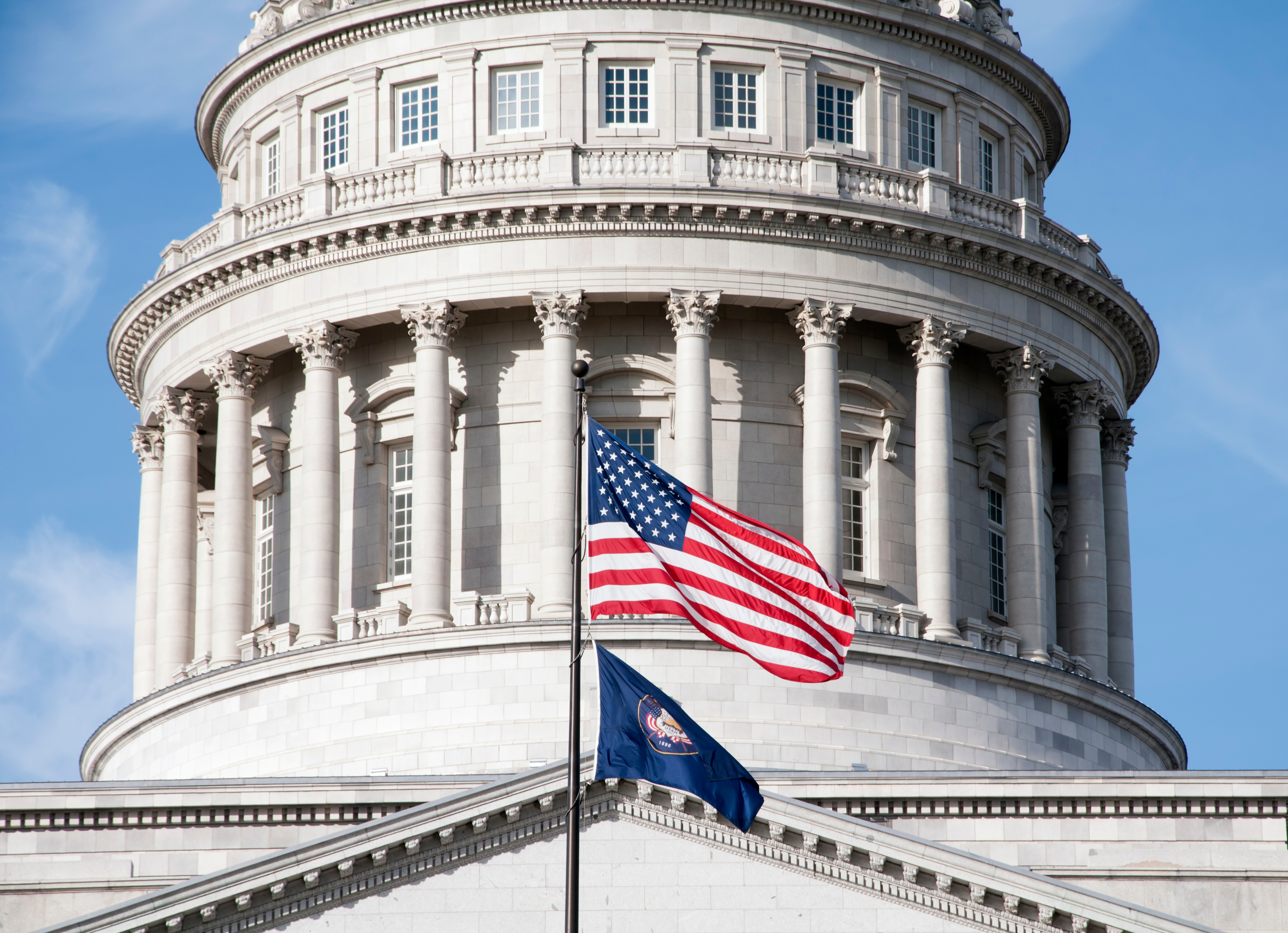
HB 215 Protects Homeowners’ Rights to Fire-Safe Landscaping
Utah’s HB 215 strengthens homeowner rights in wildfire‑prone areas by allowing residents within official WUI zones to remove hazardous vegetation—even when cities, counties, or HOAs would otherwise prohibit it. Although initially proposed as a broad property‑rights measure, the bill faced pushback from local governments concerned about losing control over landscaping regulations. The final version applies only to designated WUI areas, giving homeowners in recognized high‑risk zones the ability to fire‑proof
Caroline Merrill
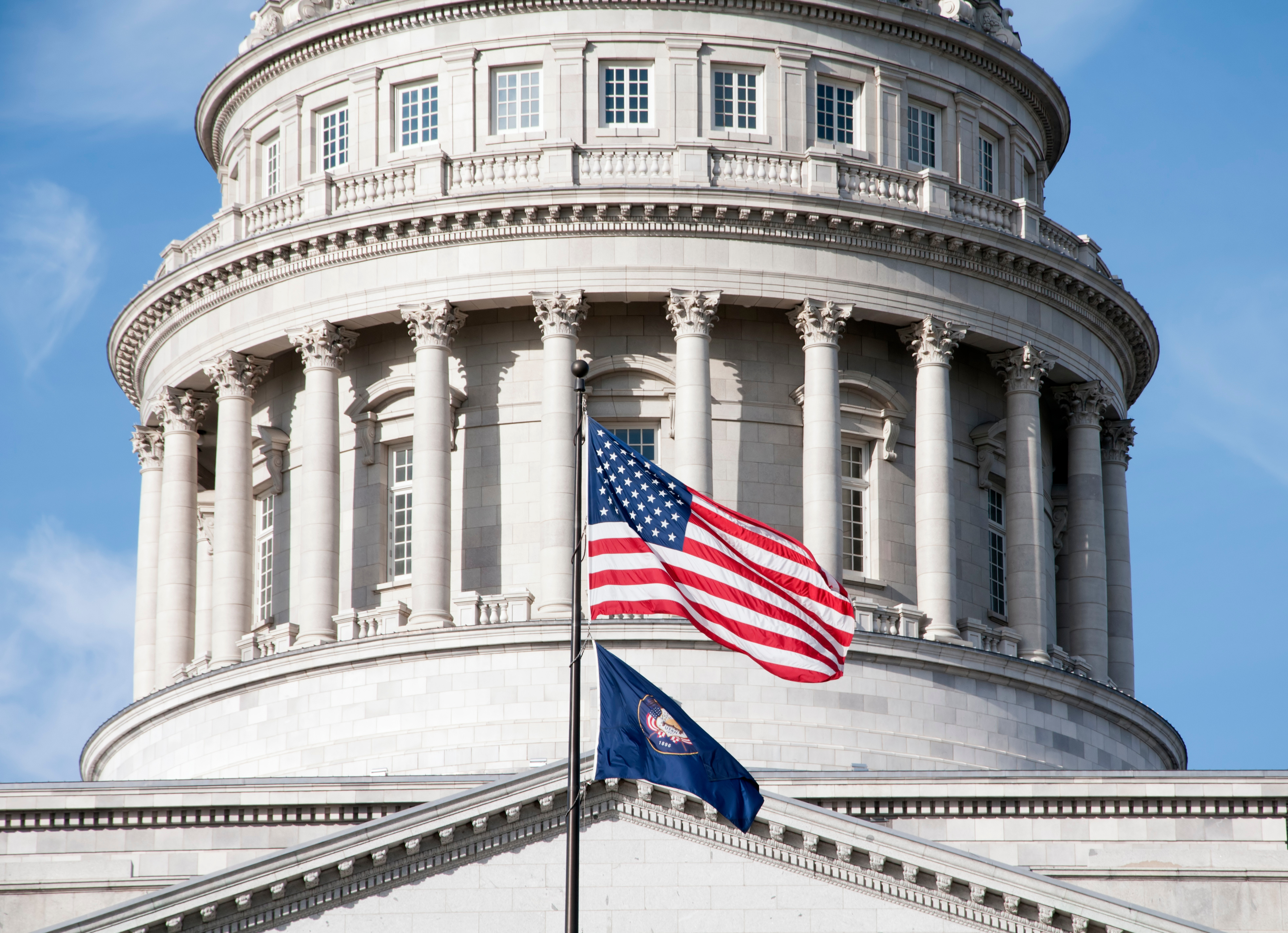
HB 41 Brings Balance to Utah’s WUI Designations
Utah’s HB 41 brings long‑awaited clarity to Wildland‑Urban Interface (WUI) requirements by ensuring fire‑risk designations are based on actual conditions—not overly broad boundaries. The bill limits WUI standards to properties with a risk score of 5 or higher, establishes a formal appeals board for disputed designations, mandates annual updates, and prevents cities from extending WUI maps too far into urban areas. This balanced approach protects public safety while preventing unnecessary construction costs,
Caroline Merrill
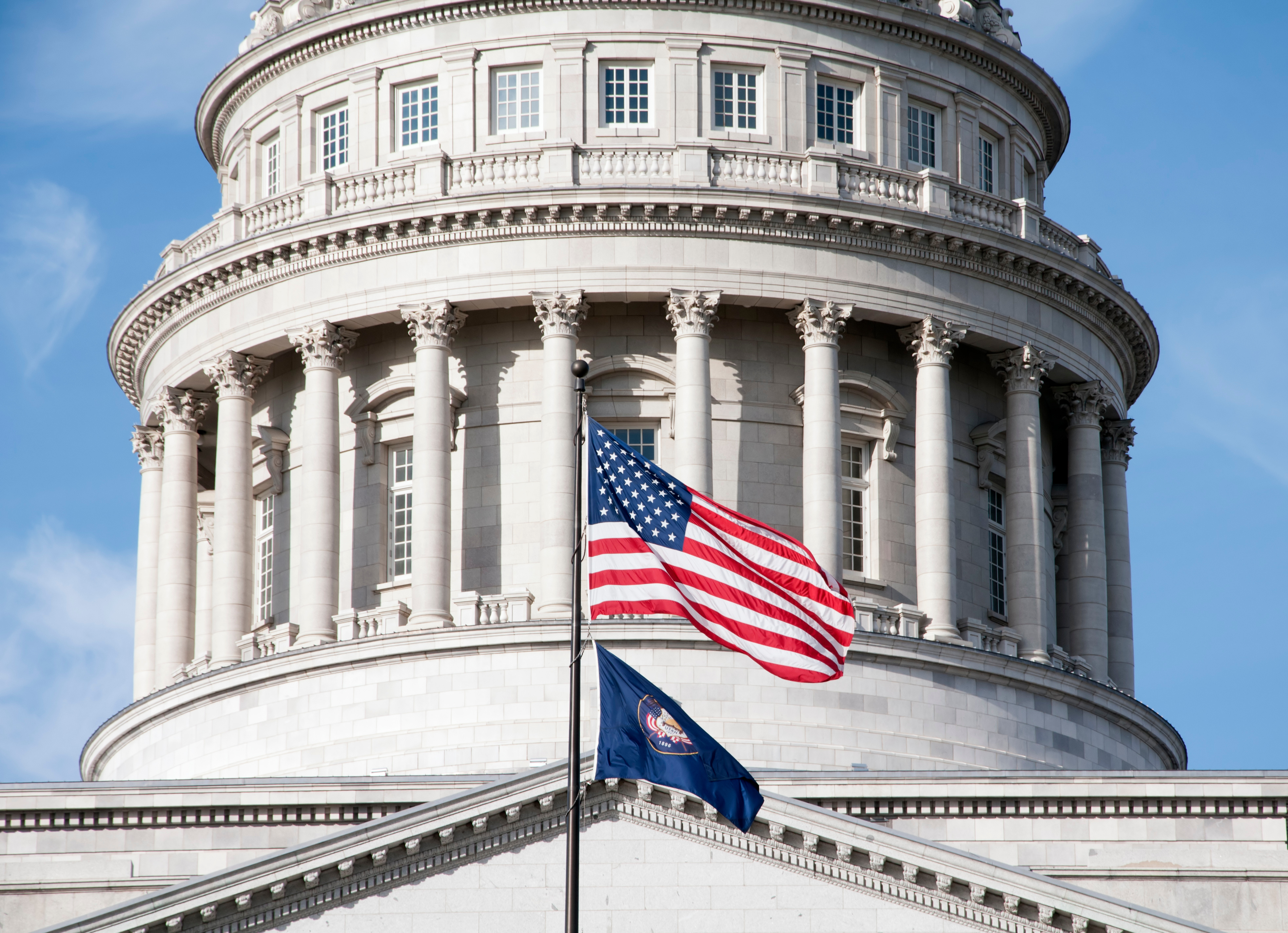
HB 65: What it Means for Builders and Remodelers in 2026
HB 65 introduces major improvements to Utah’s building codes by simplifying remodel requirements and streamlining the energy code. Remodelers now only need to update the areas they work on, removing costly whole‑home upgrades. The energy code has been reduced from 65 pages to a simple four‑page prescriptive standard, with updated insulation values and basic mechanical testing requirements. Overall, HB 65 provides clearer rules, reduces project burdens, and makes compliance more predictable for builders and
Caroline Merrill

Safeguarding Your Small Business: A Guide to Preventing and Recovering from Data Breaches
Small businesses are increasingly targeted by cybercriminals, making strong cybersecurity practices essential for preventing and recovering from data breaches. Owners should focus on employee training, strong passwords with MFA, restricted data access, updated security software, and safe document sharing using protected PDFs. Common threats include phishing, invoice fraud, malware, and insider misuse, all of which can be mitigated through verification processes, backups, and regular audits. If a breach
Ellen Sartin, Adobe Acrabat

Subcontractors and Construction Defects – What is Your Legal Risk?
Subcontractors often face legal exposure on construction projects even when issues are outside their control, making it essential to understand who can sue them, what they can be sued for, and how long they remain liable. In Utah, homeowners typically cannot sue subcontractors directly, meaning liability usually flows from the general contractor who hired them. The terms of the subcontractor’s contract determine the standard of work they will be judged by—whether industry standard or a stricter (or looser)
Scott Welker, Miller Harrison

Homebuilders and Construction Defects – What is Your Legal Risk?
In Utah, every newly built home automatically comes with an “implied warranty of workmanlike manner or habitability,” holding homebuilders responsible for major construction defects that were not discoverable before purchase, stem from poor design, materials, or workmanship, and make the home unsafe or uninhabitable. This warranty applies only to the original buyer, typically lasts six years from the certificate of occupancy—though builders can shorten that period by contract—and cannot be waived even if
Scott Welker, Miller-Harrison

Your Best Year Yet: Enhanced Value & Opportunities with SLHBA Membership
The Salt Lake Home Builders Association is gearing up for another successful year focused on growth, connection, and support for the building industry. To help sustain and enhance these efforts, annual membership dues will increase from $550 to $575. This adjustment ensures SLHBA can continue delivering high‑quality programs, strong advocacy, and meaningful member experiences. Membership offers valuable benefits such as complimentary events, professional development opportunities, legislative
Caroline Merrill